
A mysterious new adventurer, and some rather interesting timing
Disney has a habit of hiding stories in plain sight, particularly when Walt Disney Imagineering is involved. Sometimes those stories are little more than entertaining details for observant guests to discover, but occasionally they develop into something much bigger. Following the announcement of a mysterious new character connected to the Society of Explorers and Adventurers, I’ve started wondering whether Imagineering might be laying the foundations for something we haven’t quite worked out yet.
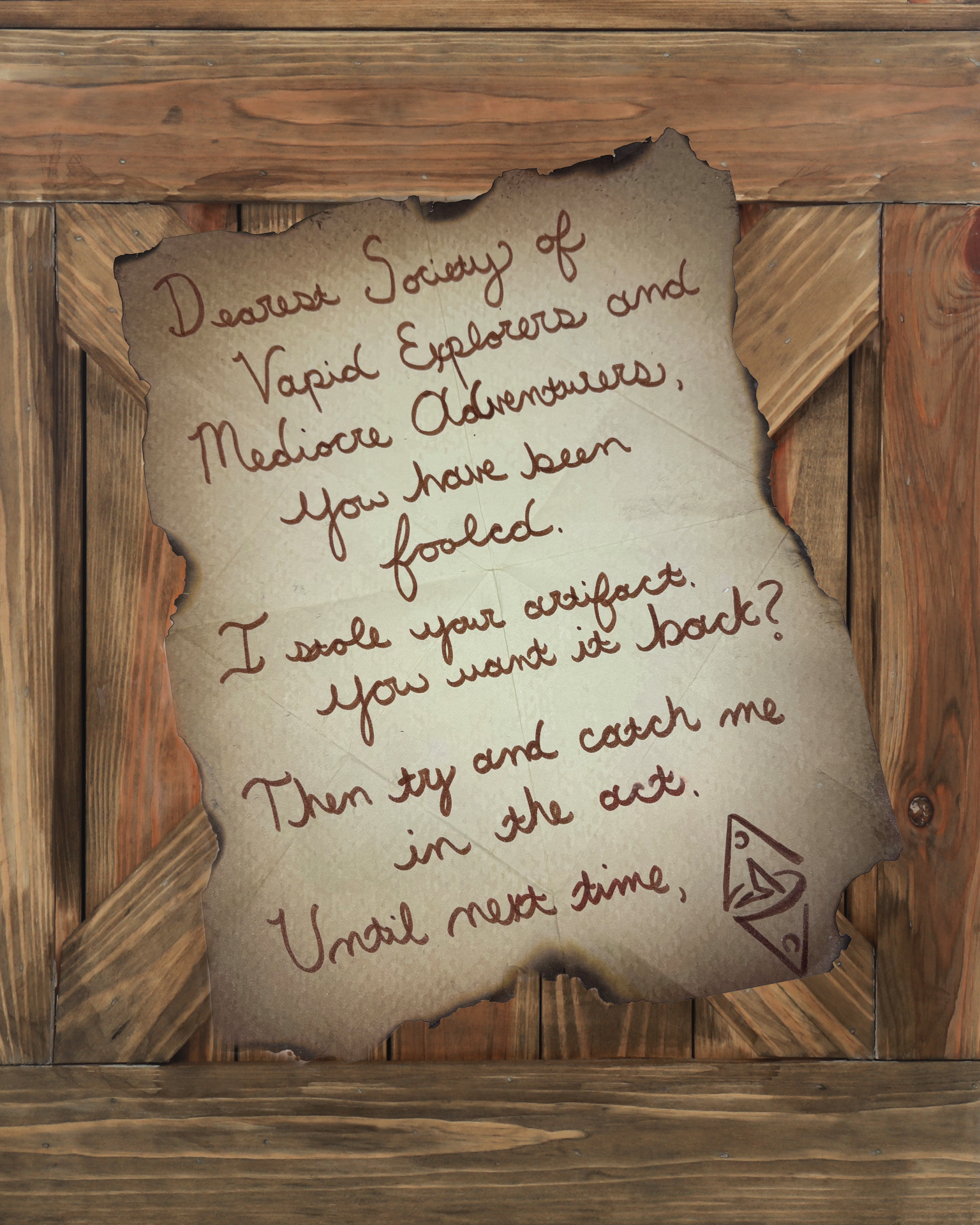
D23 in August, Disney unveiled plans for a long-awaited reimagining of Tomorrowland at Disneyland Park in Anaheim. We weren’t given much beyond a promise of new attractions, more open spaces and a renewed focus on the optimism and innovation that inspired Walt Disney’s original vision. There was no detailed concept art, no confirmed attraction changes and certainly no indication of an overarching story.
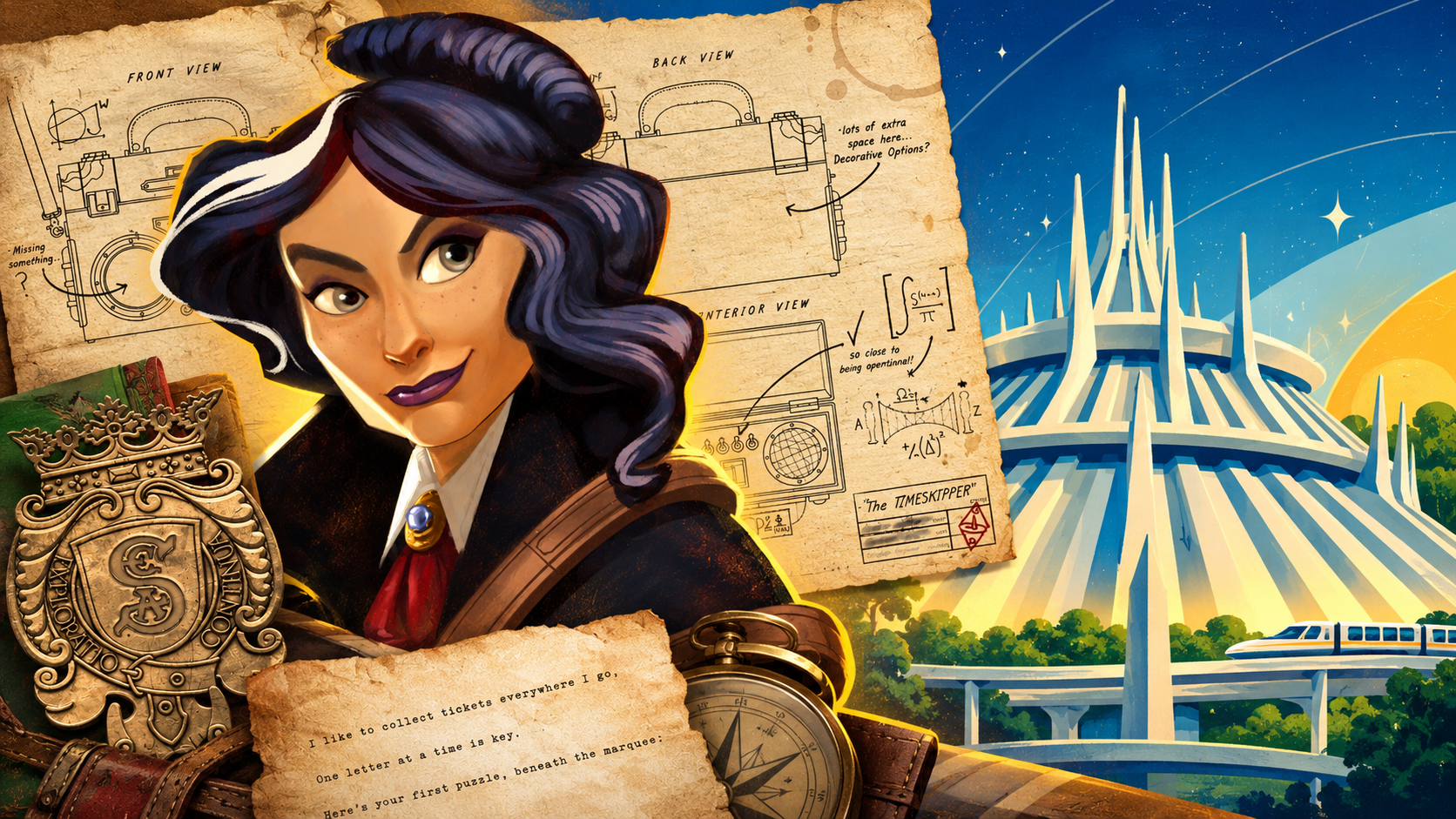
Then, seemingly out of nowhere, Imagineering began introducing us to someone called Hazel Hightower.
Now, I’m not suggesting that I’ve uncovered Disney’s next big announcement, and there’s every possibility that the two developments are completely unrelated. However, the more I look at what Disney has revealed about Hazel, the more I wonder whether there’s a connection worth exploring.
Who is Hazel Hightower?
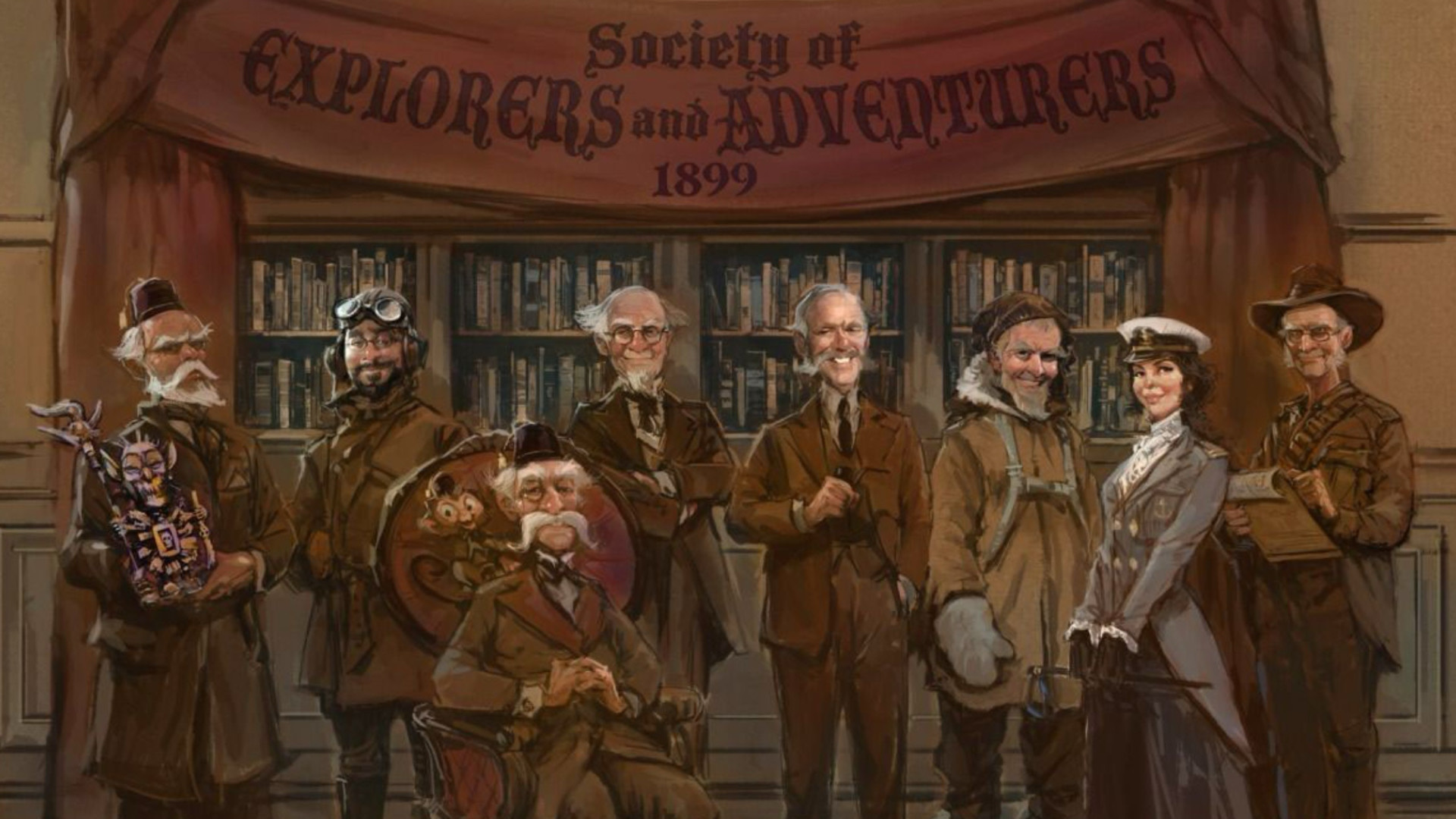
Disney’s Society of Explorers and Adventurers, better known as S.E.A., is one of Imagineering’s most fascinating creations. Rather than being based on an existing Disney film, it’s a fictional organisation of explorers, inventors and adventurers whose stories are woven through attractions at Disney parks around the world.
One of its more notorious associates is Harrison Hightower III, the eccentric collector whose story forms the basis of Tokyo DisneySea’s rather wonderful version of Tower of Terror. Unlike the Twilight Zone-inspired attraction familiar to visitors at Walt Disney World, Tokyo’s version tells the story of Hightower’s mysterious disappearance following his acquisition of the cursed idol Shiriki Utundu.
Hightower also happens to bear a rather striking resemblance to legendary Imagineer Joe Rohde, which is one of those delightful details that makes Disney’s original theme park storytelling so enjoyable.
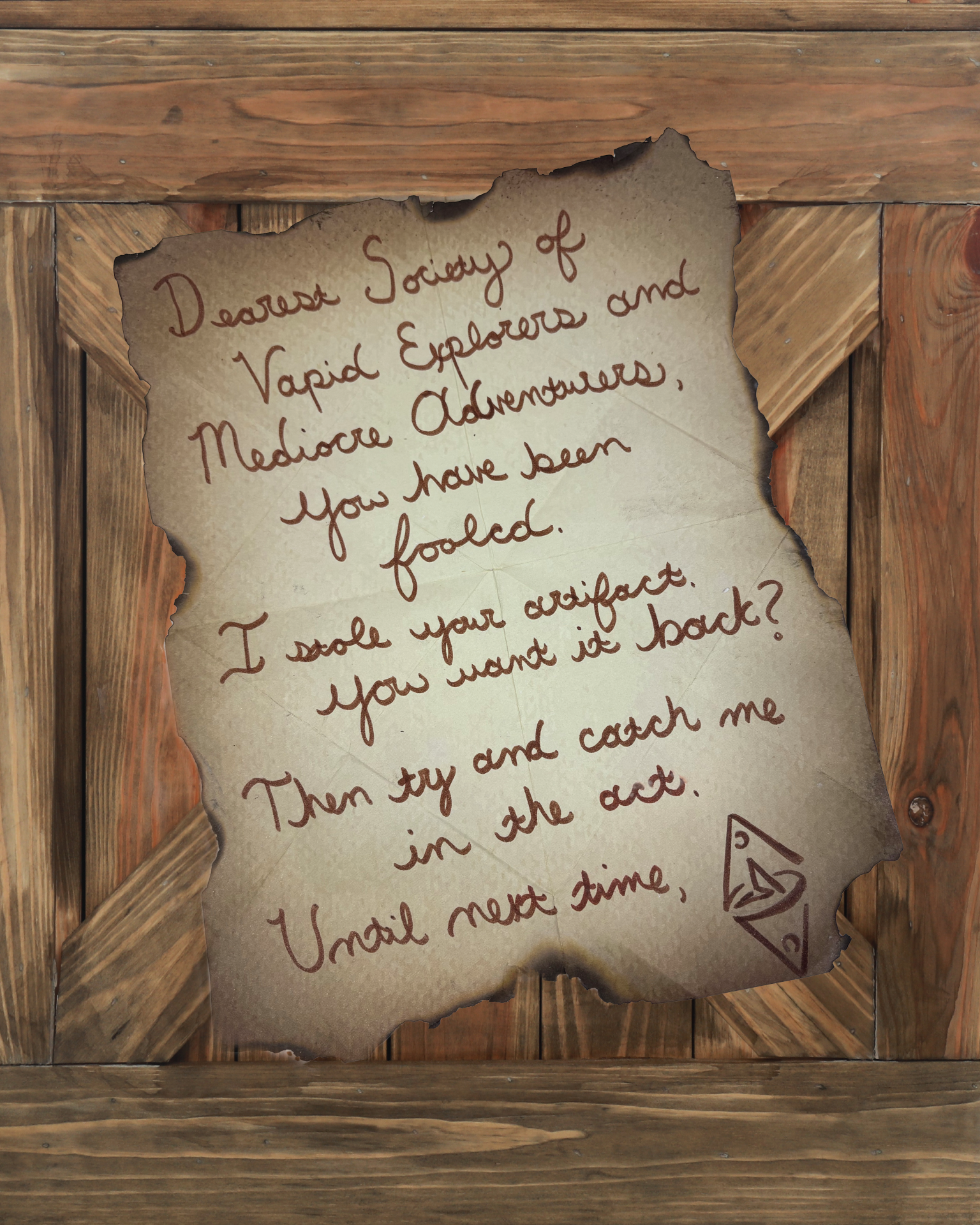
Following weeks of riddles and clues hidden within the fictional S.E.A. archives, Disney has now revealed that Hazel Louise Hightower is Harrison’s daughter. Rejected by the Society because of her father’s reputation, Hazel sets out to prove herself as an adventurer and inventor, developing a remarkable machine called the Timeskipper that allows her to travel through time.
Her adventures take her to Rainbow Ridge, the fictional mining town associated with Big Thunder Mountain Railroad, where she attempts to put right one of her father’s misdeeds. Disney has even introduced a physical connection to the story at Disneyland, displaying the Ridge Jewel at Pioneer Mercantile in Frontierland.
That’s a considerable amount of creative effort to introduce a character who, at present, doesn’t have an attraction of her own.
And it’s the Timeskipper that particularly caught my attention.
Could S.E.A. be the future of Tomorrowland?
When Disney announced its plans for Tomorrowland at D23, I was pleased to hear that the company wanted to restore the land’s original sense of optimism and discovery. Tomorrowland has struggled with its identity for years, partly because the future has an unfortunate habit of becoming the present, and partly because successive updates have left it feeling like a collection of attractions rather than one coherent place.
Space Mountain remains an absolute classic, while Star Tours, Buzz Lightyear Astro Blasters, Finding Nemo Submarine Voyage and Autopia all offer very different interpretations of what Tomorrowland should be. Individually, there’s plenty to enjoy, but collectively the land lacks the consistent storytelling that makes places like Cars Land or Star Wars: Galaxy’s Edge so convincing.
Could S.E.A. offer a solution?
At first glance, a society of nineteenth-century explorers might seem like an unusual fit for Tomorrowland, but I think there’s an interesting distinction between imagining the future as we understand it today and imagining the future through the eyes of the people who came before us.
The latter is something Disney has already explored rather successfully.
Disneyland Paris might already have the answer
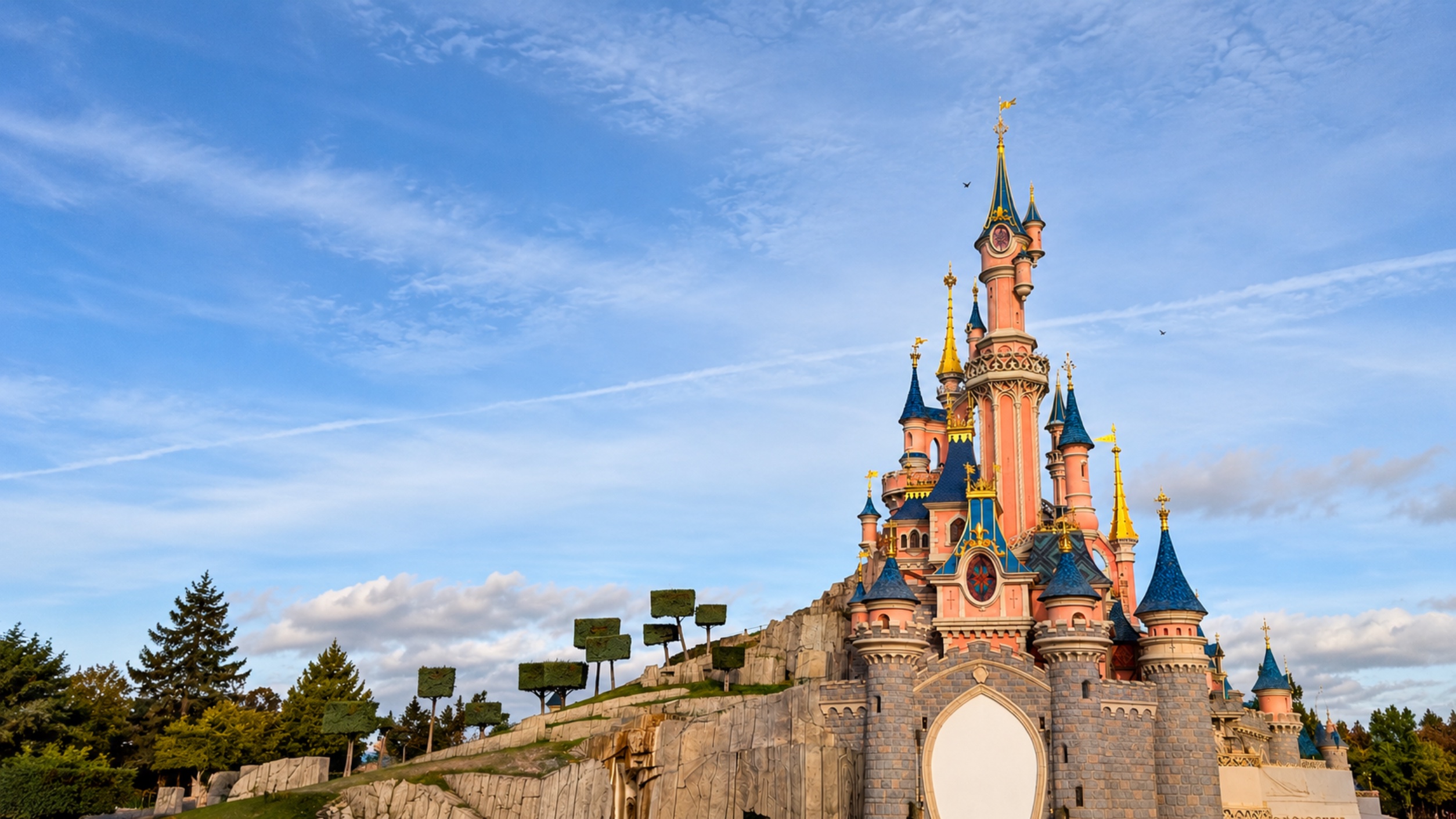
At Disneyland Paris, Tomorrowland was never really Tomorrowland at all. Instead, Imagineers created Discoveryland, a beautiful interpretation of the future inspired by the works of Jules Verne, H.G. Wells and the great scientific dreamers of the nineteenth century.
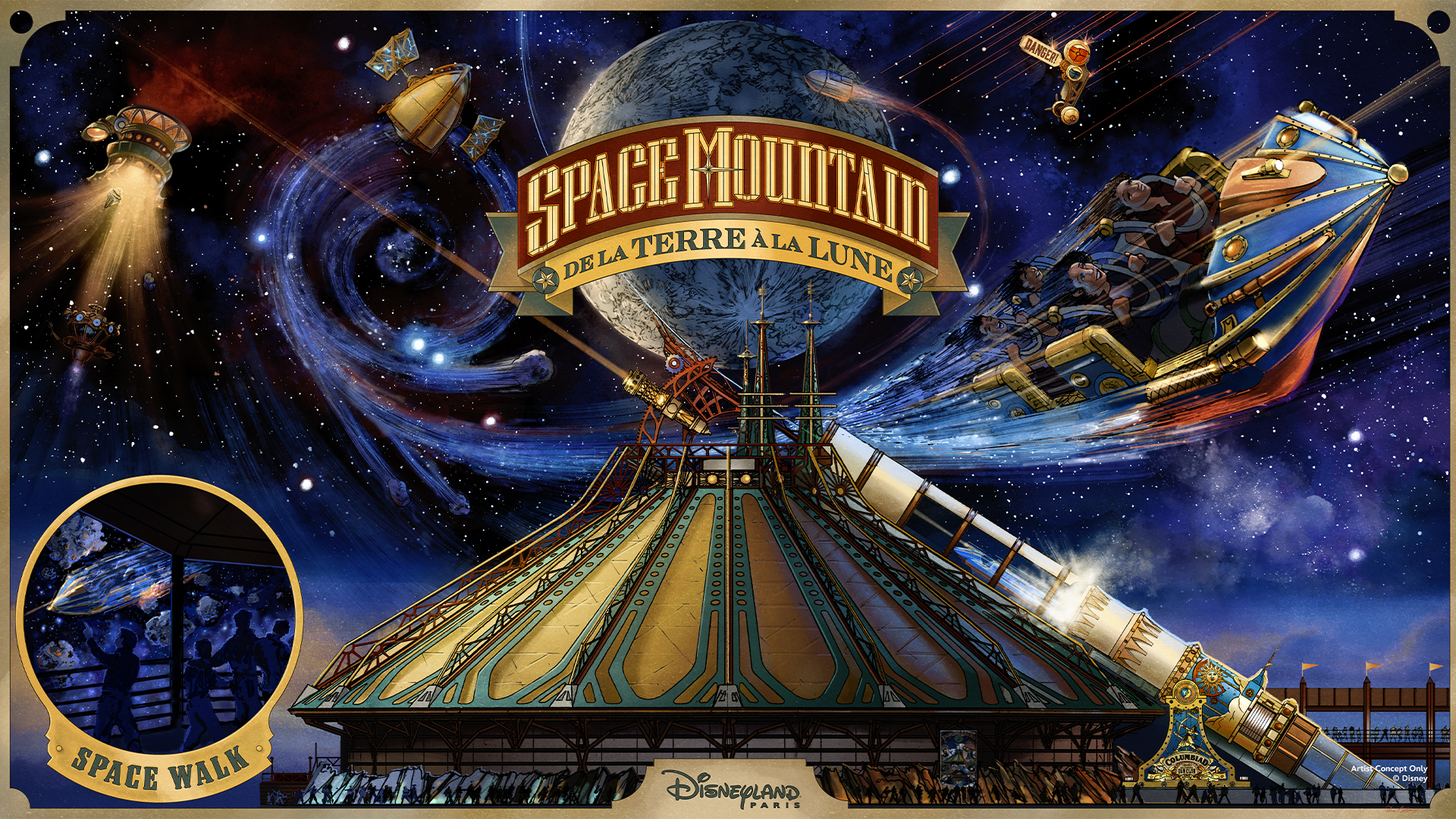
Its original centrepiece, Space Mountain: De la Terre à la Lune, took guests on a journey to the Moon aboard a spacecraft launched from the enormous Columbiad Cannon. Rather than trying to predict what space exploration might look like decades into the future, it imagined how Victorian inventors might have dreamed of travelling beyond Earth.
It’s a concept that has always appealed to me, and one that has arguably aged rather better than some of Tomorrowland’s attempts at portraying a technologically advanced future.
At D23, Disney confirmed that Disneyland Paris would be returning Space Mountain to its original De la Terre à la Lune concept, with Hyperspace Mountain closing at the end of 2027 ahead of an extensive refurbishment. The project will restore the attraction’s retro-futuristic identity, including its original musical score, while introducing modern technology and enhanced effects.
That announcement is particularly interesting when considered alongside the future of Anaheim’s Tomorrowland.
Disney is investing in a return to retro-futurism in Paris at precisely the same time that Imagineering is developing a new identity for Tomorrowland in California. It doesn’t necessarily mean the two projects are connected, but it does demonstrate that Disney still sees considerable value in the idea of exploration, invention and a future imagined through the past.
And that brings us back to Hazel Hightower.
Her Timeskipper is exactly the sort of fantastical invention that might belong in Discoveryland. It’s also the sort of device that could allow Imagineering to explore different interpretations of the future without being tied to a particular period in history.
What if Disneyland’s new Tomorrowland wasn’t simply about the future, but about the adventure of discovering it?
What could happen to Tomorrowland’s existing attractions?
If Disney were to adopt a broader exploration-inspired concept, it would raise some interesting questions about the attractions already occupying Tomorrowland.
Space Mountain is perhaps the most obvious candidate for a thematic update. I’m certainly not suggesting Disney should replicate the Paris attraction in Anaheim, particularly when the Californian version has its own history and identity, but a more elaborate narrative around space exploration could give it a stronger connection to the surrounding land.
Finding Nemo Submarine Voyage is another interesting possibility. Submarines have long been associated with exploration, and the attraction’s origins stretch back to Disneyland’s original Submarine Voyage, which opened in 1959. Could Disney revisit the idea of underwater discovery, perhaps taking inspiration from Jules Verne’s Twenty Thousand Leagues Under the Seas, while retaining the enormous appeal of the submarine ride system?
There’s also Buzz Lightyear Astro Blasters, which feels increasingly disconnected from any wider Tomorrowland story.
Walt Disney World’s version of Buzz Lightyear’s Space Ranger Spin has received a substantial refurbishment, including updated technology and ride enhancements, but Anaheim hasn’t been announced as receiving an equivalent overhaul. Meanwhile, Tokyo Disneyland is going in an entirely different direction, replacing its Buzz Lightyear attraction with a new experience based on Wreck-It Ralph.
That doesn’t mean Buzz is necessarily on his way out of Anaheim, but it does raise the question of whether Disney sees the attraction as part of Tomorrowland’s long-term future.
Personally, I’d rather see Imagineering develop an original attraction that gives the land a stronger identity than simply replace one film franchise with another. A story built around inventors, explorers and the possibilities of time travel could be a particularly interesting way of achieving that.
And what about the Matterhorn?
There have also been rumours circulating about the future of the Matterhorn Bobsleds, including suggestions that Disneyland could eventually demolish and rebuild the attraction elsewhere as part of the Tomorrowland redevelopment.
To be clear, Disney hasn’t confirmed any such plans, and relocating an attraction as significant as the Matterhorn would be an extraordinary undertaking.
However, the mountain occupies an interesting position between Fantasyland and Tomorrowland, both physically and historically. Although it’s generally considered a Fantasyland attraction, its origins are closely connected to the same era of Disneyland development that introduced the original Submarine Voyage and Monorail.
If Imagineering really is considering a substantial reorganisation of this part of the park, could the Matterhorn become part of a wider exploration-themed environment?
A mountain expedition would certainly fit comfortably within the world of S.E.A., particularly given the Society’s fascination with remote locations, mysterious discoveries and adventurous expeditions. It wouldn’t necessarily require the attraction itself to be relocated, either. A stronger connection could be achieved through the surrounding environment and storytelling.
Of course, that’s entirely speculative, and the financial and practical challenges of rebuilding the Matterhorn make the more dramatic rumours difficult to accept without considerably stronger evidence.
Nevertheless, it does make me wonder how ambitious Disney intends to be with this redevelopment.
Why introduce Hazel Hightower now?
This is ultimately the question that started me thinking about all of this.
Disney could have introduced Hazel Hightower at almost any point. S.E.A. has existed within the parks for years, and Imagineering has gradually expanded its fictional history through attractions, restaurants and subtle references around the world.
Yet Hazel’s arrival feels unusually deliberate. Rather than simply adding a name to an existing attraction, Disney has created an elaborate mystery, introduced a new character with a detailed backstory and given her a machine capable of travelling through time. Her adventures have already connected Tokyo DisneySea’s Tower of Terror with Disneyland’s Frontierland, and her story has been brought into the park through physical props and guest experiences.
That doesn’t prove she’s destined for Tomorrowland. In fact, her immediate connection to Rainbow Ridge and Big Thunder Mountain Railroad could suggest Disney has something entirely different in mind, or that this is simply an ambitious celebration of S.E.A. storytelling.
But I can’t help thinking that Imagineering is doing rather a lot of world-building for a character who has seemingly appeared from nowhere.
What if Hazel isn’t being introduced because of an attraction we already know, but because of one that hasn’t been announced yet?
A different kind of Tomorrowland?
I’ve always thought that Disneyland’s greatest strength is its ability to make the impossible feel believable. It’s something that the original Imagineers understood exceptionally well, and something that I think can occasionally become lost when every new attraction needs to be connected to an established film franchise.
A Tomorrowland built around discovery, imagination and the optimism of invention could be a wonderful opportunity to bring some of that original storytelling back to Disneyland.
Would I want the entire land turned into a nineteenth-century S.E.A. outpost? Probably not. Disneyland Paris already has Discoveryland, and Anaheim deserves something that respects its own history.
There were even plans to convert part of Tom Sawyer’s Island at Disneyland into ‘Discovery Bay’, which eventually formed the basis of Discoveryland in Disneyland Paris. So it’s not entirely unreasonable to see a reworking of a similar concept updated for Tomorrowland.
And there’s certainly no reason the Society couldn’t provide an underlying narrative, connecting new attractions and familiar favourites through the idea that tomorrow belongs to those brave enough to imagine it.
Hazel Hightower’s story might be nothing more than a clever Imagineering adventure, and perhaps I’m reading far too much into a series of riddles and a time-travelling machine.
Then again, Imagineering has always been rather good at leaving clues.
And with Disneyland’s Tomorrowland finally getting the attention it deserves, I can’t help wondering whether we’ve just been introduced to one of its future stars.
What do you think? Could S.E.A. be the missing ingredient for Disneyland’s new Tomorrowland, or should Disney take the land in an entirely different direction?

Leave a Reply